
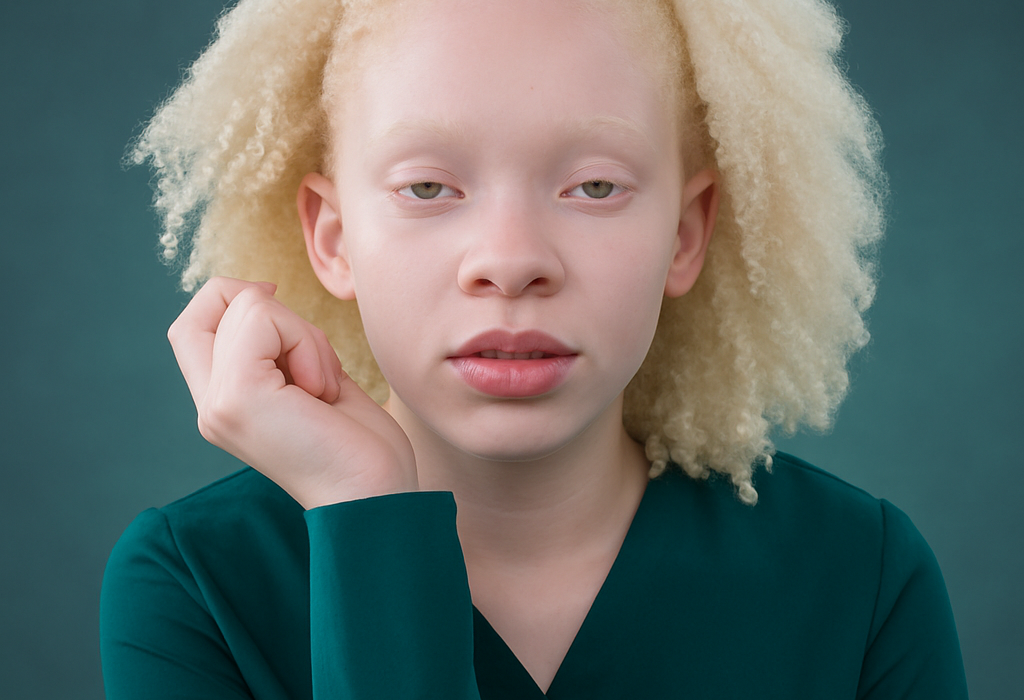

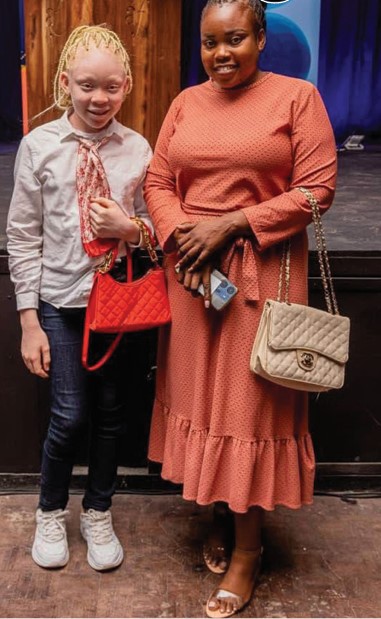
Thirteen-year-old Thabo Kamba, a Grade Nine pupil at Crested Crane Academy, has faced numerous challenges growing up with albinism. She explains that many people misunderstand the condition, leading to discrimination, bullying, and even dangerous myths that put her safety at risk. Because of these beliefs, walking alone can be frightening, and she often needs to be accompanied when going out.
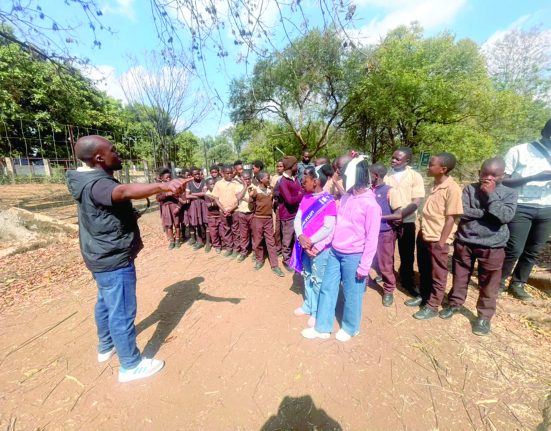
In school, Thabo and other children with albinism sometimes struggle to keep up when teachers or classmates do not fully understand their needs. Despite these difficulties, she remains strong and determined. She enjoys writing articles that inspire and empower other girls, encouraging them to stay positive and brave no matter what they face. Her role model is gospel artist Esther Chungu, whose music and life journey motivate her, even though they have never met.
Thabo dreams of a future where discrimination and rejection are eliminated. She hopes to create an organisation that educates people about albinism and other disabilities, helping society embrace everyone equally. Her journey into acting began when she starred in the internationally recognised film Can You See Us?, where she played the character Joseph, a boy living with albinism who faces bullying and social rejection. Taking on the role required personal sacrifices—such as cutting her hair and learning to play the guitar—but she embraced the challenge because she believed in the film’s message.
She hopes her story will help change how people view individuals with albinism, urging society to treat them with dignity and see them as capable of holding leadership positions and achieving great things. Thabo also plans to study law so she can advocate for the rights of people with albinism and promote confidence and self-love.
Through her courage, resilience, and determination, Thabo is not only rising in the film industry but also becoming a powerful voice for equality. Her story continues to inspire many to look beyond differences and embrace every individual as fully human and deserving of respect.
BY MWAKA LENGALENGA