

THOMAS NGALA
Lusaka
CONCEIVED in 2013 and formalised in 2015, the expanded School Health Programme (SHP), with support from Healthy Learners, continues to support the Government’s Free Education Policy by ensuring the health of learners is prioritised.
The programme integrates basic healthcare directly into schools by training teachers as community health workers, constructing school health rooms, treating minor illnesses, and referring sick children to local clinics.
Jointly implemented by the ministries of Education and Health, SHP has established 1,062 health rooms in 45 districts across 10 provinces. The initiative currently serves more than 1.4 million pupils.
About 8,370 health teachers have been trained to provide basic healthcare services in schools, and more than 1.2 million pupils have received treatment under the programme.
While free education has enabled over 2.5 million children to return to school, SHP, coupled with other progressive programmes such as school feeding, has helped ensure that pupils stay in school.
In March 2025, President Hakainde Hichilema officially handed over the School Health Programme to the Zambian people, underscoring Government’s commitment to merging health and education services.
By 2028, Government plans to expand the programme to 70 districts and 2,000 schools, train 15,000 health teachers, and extend services to more than three million learners nationwide. Despite the progress, low public awareness remains a major hindrance to mobilising stakeholder support for the programme.
To address this, the Presidential Delivery Unit (PDU), in collaboration with the Media Initiative on School Health (MISH) and Healthy Learners, hosted a Media Owners Workshop in Lusaka from July 23 to 24, 2026 to promote SHP.
Gracing the workshop, head of PDU Kusobile Kamwambi stressed the need for the media to amplify SHP to increase public awareness and support for the initiative. “A child who is healthy stays in school.
A child who stays in school learns. A child who learns grows into a productive citizen who contributes to national development,” she said in a speech read on her behalf by PDU delivery manager for enhanced value chains Jones Shimbela.
Ministry of Information and Media Permanent Secretary Thabo Kawana also reaffirmed Government’s commitment to working closely with the media to raise awareness of national development programmes.
“The media plays a critical role in informing citizens, shaping public discourse and supporting the successful implementation of SHP,” he said. This was in a speech delivered on his behalf by Ministry of Information and Media director of human resource and administration Lazarous Mulenda. MISH chairperson Jackson Sitengu said the media has a responsibility to inspire positive change through informative and impactful reporting. “Our coverage is not simply about reporting events.
It is about shaping public understanding, encouraging accountability and promoting programmes that uplift lives,” Mr Sitengu said.
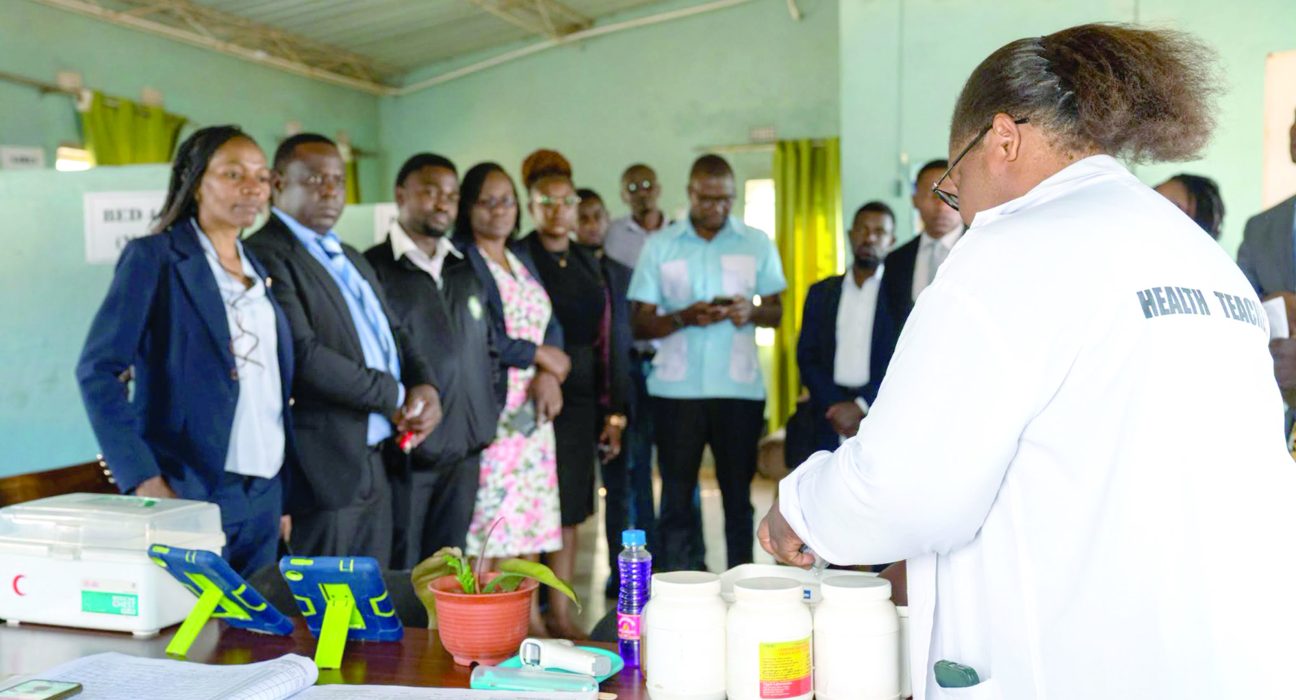
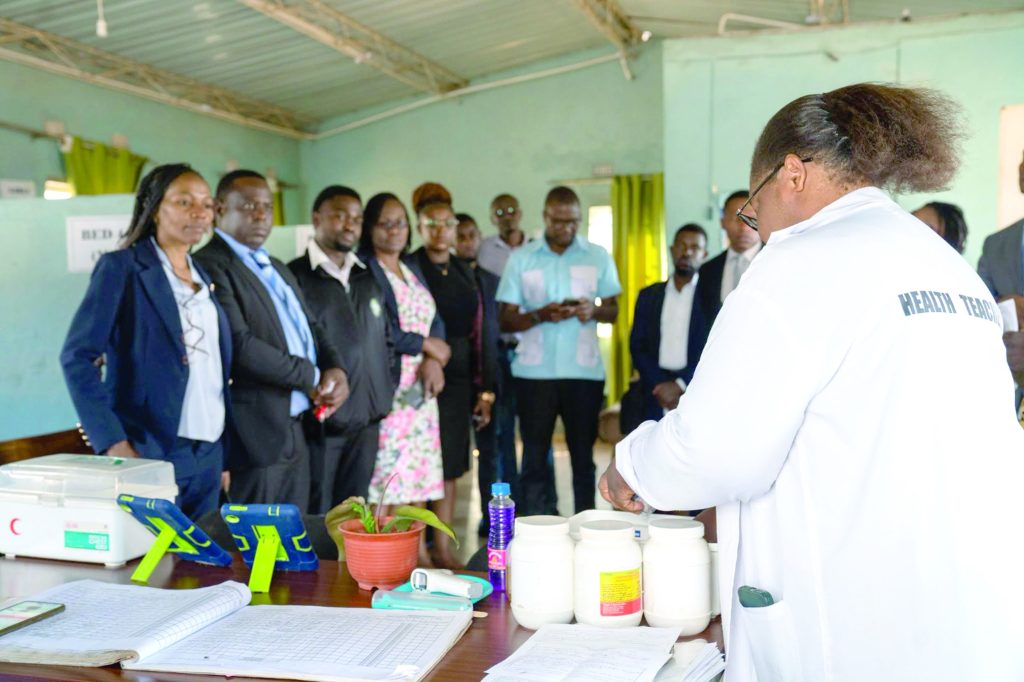
The workshop concluded with a visit to Lilayi Primary School, where headteacher Catherine Lombe shared the impact of the programme. “The programme has reduced absenteeism at our school,” Mrs Lombe said.
“A lot of pupils visit the health room on Mondays. The area we live in has a lot of caregivers, so when a child falls ill over the weekend, they don’t wait until Monday to access health services.”