
THOMAS NGALA
Lusaka
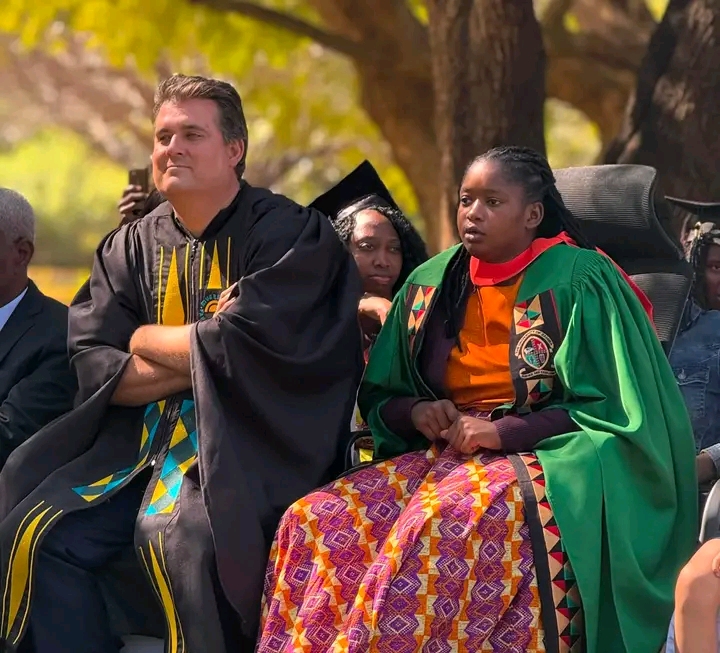
WEARING a graduation gown at just 17 years old, Grace Mawere proudly held up her certificate in general agriculture and smiled as she declared, “I did it.”
Grace is an extraordinary girl who has chosen a path many young people overlook because they believe farming is only for old people.
She was the youngest graduate at the 52nd graduation ceremony at Riverside Farm Institute, a school that equips people from different backgrounds with practical skills for the future.

Grace enrolled at the college even before writing her Grade 12 examinations.
Her interest in farming began through conversations with her family friend, Lushomo Lungu. At the time, both were in Grade 12.
Grace was a pupil at Kasenengwa Boarding School while Lushomo attended Edgar Chagwa Lungu (ECL) Secondary School in Petauke, Eastern Province.
“I did not know I had a skill in agriculture. When I was in high school, I never took agriculture as a subject,” she told the Young Mail.
“My friend inspired me. He told me, ‘You may never know which skill you have until you try new things’.”
Grace said she hopes to continue studying agriculture because she dreams of becoming a commercial farmer.
She was among 78 students who graduated with certificates in different vocational skills on Sunday.
Of the graduates, 32 were sponsored through the Constituency Development Fund (CDF), 13 by Child Impact and 33 paid for their own studies.
Twenty-seven students graduated in fashion design, textile and technology, 38 in general agriculture, eight in evangelism and five in lifestyle education.
Another graduate, Jane Mutale, could barely contain her excitement after receiving a special graduation gift from her parents.
With shaking hands, she unwrapped one of the presents and found a sewing machine, something she believes will help her start her own business.
Jane graduated in fashion design, textile and technology.
She was sponsored through CDF and said the training gave her a chance to begin her entrepreneurial journey.
On graduation day, her parents also gave her other gifts to help her get started.
“I am very thankful to my parents.
It will help me a lot. I am not going to stop here, and this skill I have acquired will help me better my life,” she said.
Speaking during the ceremony, University of Zambia lecturer and anatomical pathologist Fred Maate said graduation marked the beginning of a life of service, leadership and positive influence.
“Your journey over six months has required commitment, sacrifice, perseverance and determination,” he said.
“You have invested your time and energy in acquiring knowledge, practical skills and values that will guide you throughout your lives.”
He said the graduates were also encouraged to live healthy lives, develop practical skills, strengthen their minds through learning and deepen their relationship with God.
Dr Maate said the combination of knowledge, skills and values will help them succeed and make a positive difference in their communities.
Addressing the fashion design graduates, he said their creativity has the potential to promote entrepreneurship and self-reliance.
“Through your talent, you can contribute to economic development and provide practical solutions within your communities,” he said.
To the lifestyle education graduates, he said they gained knowledge that will help promote healthy living, personal growth, family well-being and stronger communities.
“The world needs individuals who can teach and inspire healthier and more purposeful lifestyles,” he said.
To the evangelism graduates, Dr Maate said their training prepared them to share hope, faith and the Gospel of Jesus Christ.
He urged the general agriculture graduates to use their knowledge to support food security, sustainable farming and rural development.
Meanwhile, Riverside Farm Institute executive director Craig Harding encouraged the graduates to value the hidden talents they discovered during their studies.
Using a biblical parable, he spoke about a man who stumbled upon a hidden treasure while walking through a field.
“All of a sudden, he trips on something in the field. He gets down, he begins to uncover it and asks,
‘What is it that I tripped on?’
“He realises that it is not just a root, not just a rock or the normal things. It is treasure,” he said.
Mr Harding said the man then realised there was one important question to answer: “Whose treasure is it?”
He encouraged the graduates not to lose the most valuable lesson they have discovered about themselves.
“Some of you came here for agriculture, tailoring or one of the other courses we offer, but along the way you discovered something more valuable than what first brought you here,” he said.
“Don’t lose the most valuable thing because you are only focused on what you first came looking for.”