

- Frank Mulenga’s journey to the top of the class
ZIPPORAH MUSHALA
Lusaka
EIGHTEEN-YEAR-OLD Frank Mulenga is an avid Grade 12 pupil in Lusaka with a profound passion for the natural sciences.
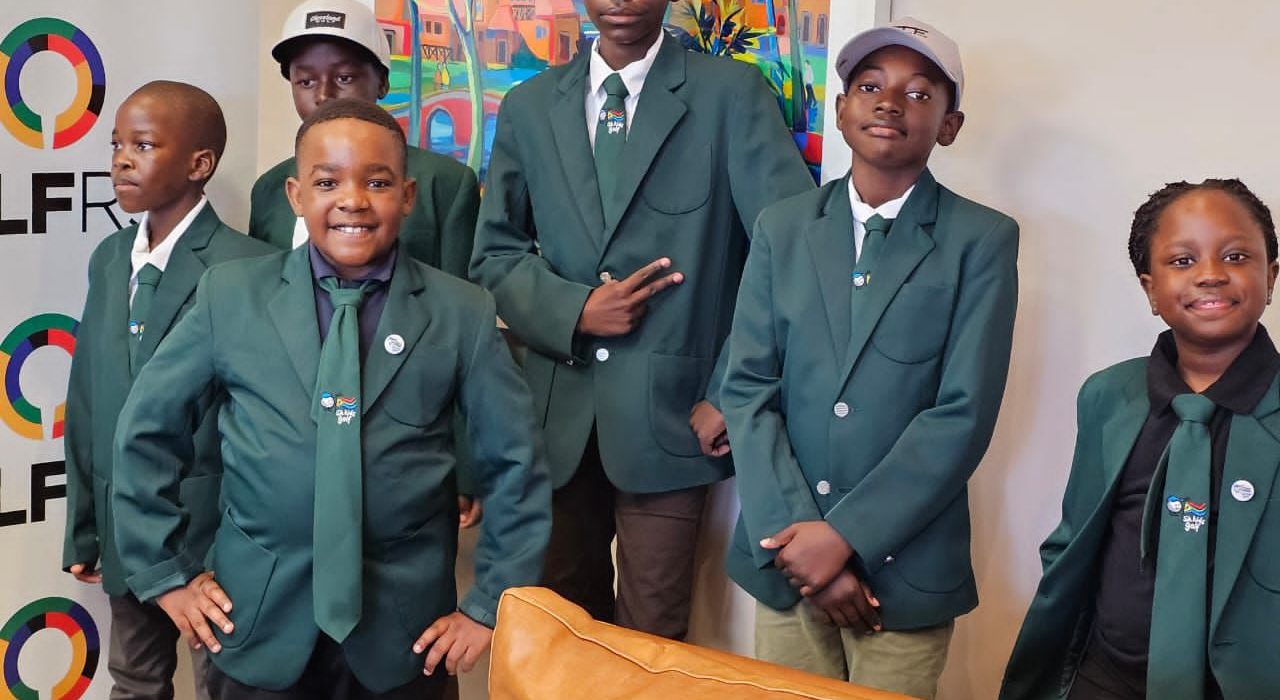
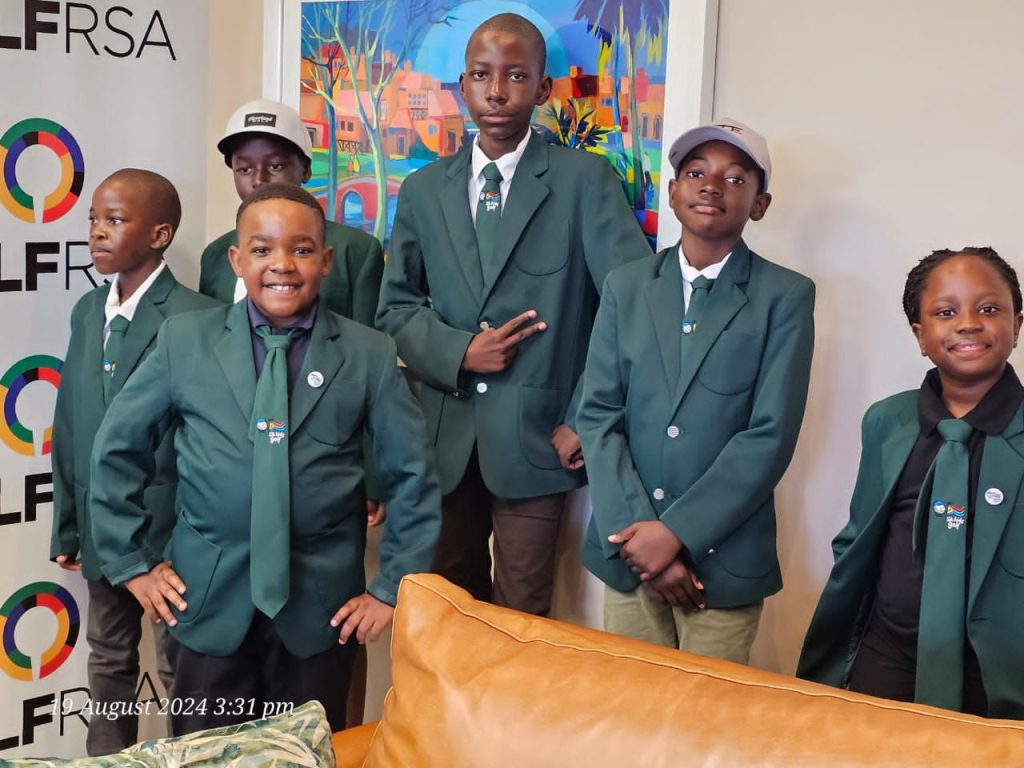
Outside the classroom, he often enjoys a game of golf.
However, Frank’s life story is anything but average, as he was diagnosed with autism, a neuro-divergent condition, at just three years old.
Autism spectrum disorder (ASD) is a lifelong neuro-divergent condition that affects how a person perceives the world and interacts with others.
It is not a disease, but rather a different way the brain processes information, often manifesting as unique strengths or challenges in social communication, sensory processing, and repetitive behaviours.
For many, it can manifest as difficulty reading social cues or body language, a preference for highly structured routines, or intense interests in specific subjects like sciences.
Some individuals may experience sensory sensitivities to light or sound, and while some are non-verbal in early childhood, they can make significant progress in life through consistent therapy and tailored support.
This was the case for Frank, whose mother, Rita Mulenga, noticed unusual developmental growth patterns in his early years.
These signs signalled to her that her son may be one with special needs.
“I started noticing that he did not interact with people around him in the way one would expect a three-year-old to do, and he was also non-verbal. That is when I started to search for answers as to what could be wrong with him,” she said.
Frank’s mother explains that after repeated hospital visits at the University Teaching Hospital (UTH), he was finally diagnosed with autism and put on therapy sessions.
After the hospital had seen improvement, the sessions stopped, and Frank’s condition improved.
“His first word to me was ‘Good morning Mum’, and I couldn’t believe it. My son, who had never spoken a word, could finally talk, and the first words he said were to me,” Ms Mulenga said, unable to hold back her emotions.
Despite having a rough start with her child, Ms Mulenga’s story is that of positive advocacy, to show that people on the autism spectrum can improve with the right therapy and can also contribute positively to society.
“I think what destroys the future of a child with autism is their parents’ attitude. Parents should be able to accept their children’s condition and make them go through the right medical therapy so that they can live their best lives,” she said.
“I admit it’s not all rosy. I know there will be challenges, but what is important is to see a change from the way the child was, and to offer them the right support,” Ms Mulenga added.
When it comes to fighting for Frank’s educational needs, Ms Mulenga has been in the forefront, pushing him to challenge his limits and not look at autism as a limiting factor.
Due to this, he got 745 marks out of 900 in Grade Seven and 500 out of 600 at Grade Nine.
He is currently in Grade 12.
When he was accepted to Grade 10, Frank was initially placed in a natural science class, but because he was a very shy and quiet boy, his teachers doubted his ability to manage the workload and suggested moving him to a regular class.
“But we insisted as his parents that he was capable, and he is actually one of the best pupils right now excelling in natural sciences,” she said.
When he is not focused on his studies, Frank continues to sharpen his skills on the golf course as a favourite pastime.
Through Frank’s achievements, Ms Mulenga hopes that society will learn to look past the diagnosis and recognise the immense potential that individuals with autism can reach when given the right opportunity and support.